Is It Too Late to Start a New Skill? Why Piano Is a Wonderful Choice for Adults
Many adults wonder if starting piano later in life is realistic. The truth is that learning piano as an adult can be inspiring, enjoyable, and deeply rewarding. Here’s why.
Georgia Kaponi
12/8/20252 min read
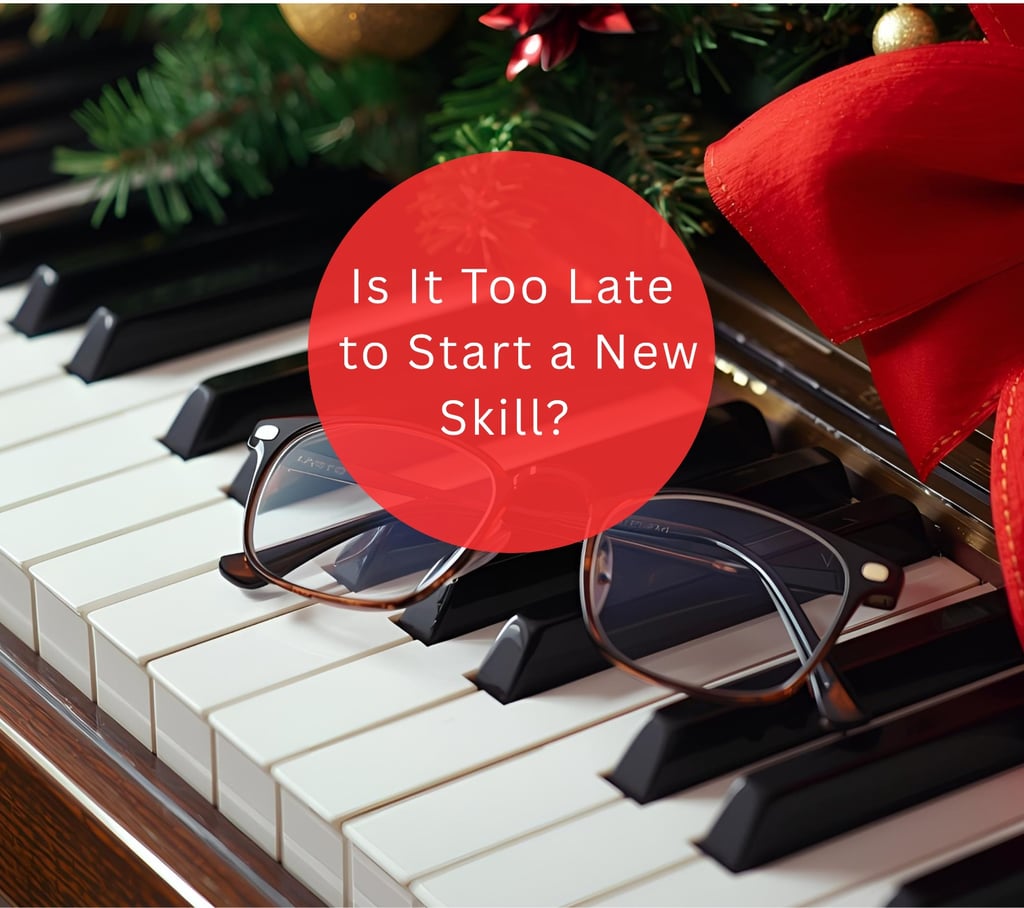
As the year draws to a close, many adults begin thinking about new skills they would love to explore. One question often comes up: “Am I too old to start piano?” Whether someone hasn’t played since childhood or has never touched a piano at all, the idea of beginning later in life can feel daunting. But the reality is that it is never too late to learn, and the piano is one of the most inviting places to start.
Unlike many activities that demand youth, flexibility, or athletic energy, the piano welcomes learners of all ages. Adults bring tremendously valuable qualities: focus, patience, and a clear sense of what they want to achieve. These strengths often make adult learners progress more steadily than they expect.
Another advantage is that adults tend to learn with genuine curiosity. Rather than being pushed into lessons, they choose piano for personal enrichment, creativity, or a lifelong dream. This sense of purpose makes practice meaningful. Even a few minutes at the piano can become a moment of calm — a break from daily routines and a chance to reconnect with something purely enjoyable.
The piano is also wonderfully accessible. Unlike instruments that require breath control, bowing, or specialised technique from the start, the piano produces a clear sound instantly. Beginners can play simple patterns or familiar tunes within their first lessons. These early achievements help build confidence and make the learning process satisfying right from the beginning.
For adults who enjoy structure, the piano offers a clear pathway. The keyboard layout makes musical patterns easy to understand, and progress can be tailored to individual goals. Some adults prefer learning pieces they have always loved; others enjoy exploring reading, technique, improvisation, or gentle classical repertoire. There is no set route, learning is flexible and personal.
Perhaps most importantly, the piano provides space for expression. Adults often describe their lessons as therapeutic, a chance to unwind, think differently, and express feelings through sound. Piano becomes a companion that fits beautifully into adult life, whether playing softly after a long day or practising something lively and energising.
At My Piano Academy, we help adults discover how enjoyable learning piano can be at any stage. From the very first notes to more confident playing, we guide each student at a pace that feels natural and supportive. Beginning a new skill is always a brave step, and choosing piano is a decision that brings lasting joy.
If you’d like to explore this topic further, you can also read our related post: Too Old to Learn Piano? Piano Myths and Truths.
Contact us
info@mypianoacademy.com
Follow us on Facebook
Subscribe to our news
+44 (0) 7598 993640