
The Role of Music in Memory and Reflection
Music has a unique ability to bring memories to life. Here are some thoughts on how playing the piano can help us connect with our past, express emotion, and capture moments that words can’t.
Georgia Kaponi
11/10/20251 min read
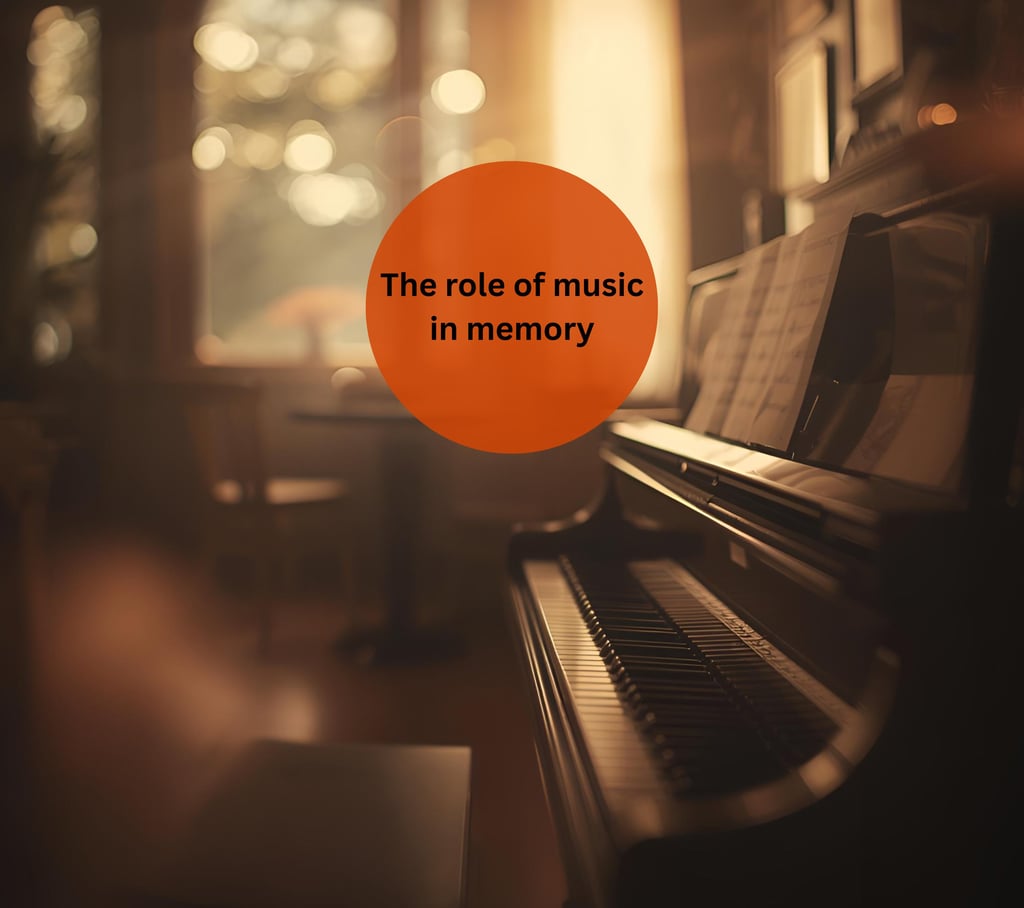
Music has a remarkable way of holding memories. A single melody can bring back a person, a moment, or a feeling long forgotten. For pianists, these memories come alive not only through sound but also through touch, the movement of fingers, the rhythm of breathing, and the quiet resonance that lingers after the final note.
When we play the piano, we do more than reproduce written notes. We revisit emotions and experiences that have shaped us. A gentle waltz might remind us of childhood, a calm nocturne might evoke a quiet evening, and a favourite tune might bring back the people who first inspired us to learn. In this way, the piano becomes not just an instrument, but a space where memory and music meet.
Music helps us process emotion in ways that words often can’t. The slow pace of practice and the concentration it requires encourage mindfulness and self-reflection. Many students describe the piano as a companion, a place where they can unwind, think, and reconnect with themselves. Playing music brings calm and clarity.
For learners, exploring pieces that carry emotional weight also develops expressive control. Pieces such as Clair de Lune, Gymnopédie No. 1, or simple contemporary pieces written in a reflective mood allow students to practise shaping tone, pedalling delicately, and creating atmosphere. These moments of musical stillness nurture both technique and emotional awareness.
At My Piano Academy, we often see how deeply personal piano playing can be. Students bring their own stories to the pieces they learn, discovering how music can connect their inner world with sound. It’s this connection, between memory, emotion, and creativity, that makes playing the piano such a powerful and lasting experience.
So next time you sit at the piano, let yourself slow down. Play something that resonates with you. Listen to how each note fades into silence, and notice the feelings it leaves behind. In these quiet moments, music becomes memory and memory becomes music again.
Contact us
info@mypianoacademy.com
Follow us on Facebook
Subscribe to our news
+44 (0) 7598 993640